Showing posts with label sunni. Show all posts

Thursday, July 6, 2023

What EVERY Muslim needs to know about Islam


Introduction

The acquisition of knowledge is a noble undertaking, yet it is one which takes time, patience and hard work. An organized system of presenting information will have periodic tasks, exams and tests to determine the student's abilities and retention of the data that had been delivered during the course of academic period. 


With religion, particularly the religion of Islam, a great deal of tradition, texts and opinions are available, all of which have a level of attraction and arguments, which can lead to a great deal of confusion and outright dysfunction on a basic religious level. This is demonstrated occasionally within self-study. A person who has, on their own, studied the Japanese language, memorizing vocabulary and grammar to a point where they deem themselves as having mastered it   will often be lacking the most basic of necessary information, and when confronted, will lose credibility. While this is not intended to belittle self-study(ft.1), it is something to be cognizant of.


The title of this article is taken from the maxim coined by Muslim scholars as a teaching tool. That maxim is "The knowledge of religion that is necessary to possess" (Al Ma'loom min ad deeni bid-Daroorah). This expression is typically used in a theological sense to emphasis what Muslims are obligated to understand and believe in.


This article departs from the normative theological uses (while not denying the legitimacy of that usage) in order to focus on the more practical applications which are often neglected or even ignored, precisely because of lack of understanding their importance. 


We recognize that there is a certain level of legitimate differences of opinions, beliefs and judgement calls within the Muslim community (which shall be addressed below), so we have focused on matters that are largely deemed agreed upon (Ijmaa') by all parties. 


The Five pillars


While the five pillars are indeed well-known because of one hadeeth (ft.2), there are details that are necessary to put into place in order for these pillars to actually construct something beautiful. Four out of five of those pillars are in the practical realm, rather than theological(ft.3), and are addressed below.


(I) Salaah: daily prayers


While it is well-known that one is to face Makkah (the Qiblah), it is also necessary to be in a clean state, physically and mentally. This is known as Tahaarah!  The place of prayer should also be clean and the salaah should not be offered in a place such as a restroom. The process of ablution (Wudoo') should occur before prayers, and the state of wudoo' becomes necessary to renew after using the restroom, flatulence, deep sleep, and of course intimacy requires a full bath (ghusl) before salaah.


The necessary texts to recite in the prayers are of course Soorah Al-Faatihah-the opening chapter of the Qur'an (with a high emphasis on any other Quranic texts as well), the terms of glorification recited in the bowing (rukoo'), prostration (sajdah), the testimony of faith (tashahhud) and the pleading for the Messenger and all believers (Salaat 'alan Nabi) done in the final sitting posture. (ft.4)

For Muslim men, we also want to add that the men function as prayer leader (or Imam) in the family. We must know (and teach, particularly our sons) the above, as well as the call to prayer (adhaan), the immediate summons (Iqaamah), the number of units (rak'ahs) for each prayer(ft.5), and how to organize for communal prayer (with family and friends). These things are relatively easy. Other details come as time goes on, as needed. However, in terms of necessary knowledge regarding the salaah, the above cannot be dispensed with. (ft.6))


(II) Fasting:


Every able-bodied Muslim is expected to observe the fast from dawn (fajr) to Sunset (maghrib) during the month of Ramadan. Exemptions are made for the ill, the traveler (musaafir), menstruating women and the like.  A common misconception in the West is that the fasting period starts at sunrise (shorooq). 

The starting and ending times of the fast are very important to observe. It is also a good time to observe more prayer, charity and Qur'an reading. 


(III) Zakaat:


The Qur'an connects prayer and charity (Zakaah) in multiple places, easily observed by even a cursory glance at the scripture. Unfortunately, this pillar is unnecessarily neglected.

It should be made a priority; in the same way our monthly bills are a priority. With the emergence of the internet and automatic withdrawals, paying it should be an easy task. For more on this, see Shamsuddin Waheed: Zakaat: Reflections on its application in the Western world


(IV) Hajj pilgrimage:


This pilgrimage to Makkah, the site of the Ka'bah, is contingent upon physical and financial abilities. Many people worry about the pilgrimage rites (manaasik) years before making the intentions to actually go, yet our advice is to simply wait until it is near time to go, when the travel arrangements have been made. 


Malaysian and Indonesian pilgrims, upon getting the visa, actually go through classes in preparation of it, in a very organized fashion. Moreover, pilgrims travel in groups, and most travel agencies will have a guide in the group to help with the rites. Indeed, when I was blessed to go on the Hajj, our group had a power-point presentation preceding our entry into the pilgrimage. 


Sunnah

The term "Sunnah" in a technical sense refers to the established tradition of the Prophet Muhammad (Sall Allahu 'alayhi wa sallam). The term is widely used to highlight the Prophet's unique worship practices that fall outside of those deemed obligatory. For example, before offering the obligatory dhuhr prayer (which consists of four units), he would do a voluntary salaah consisting of four units. People would call these "sunnah prayers" or simply "sunnah". 


Sometimes the term is seen as synonymous with Naafil, which means voluntary, however in a technical sense this would be an incorrect application, because a person can do an action on their own volition, and it has no immediate reference to something done by the Prophet.


Sects

Between 85-90% of Muslims globally fall under the category of Sunni (Ahlus sunnah wal Jamaa'ah). In a broad sense, the appellation means that they take from the Prophet Muhammad's tradition, as conveyed through his companions and family, for legal precedence. 

15% (some estimates are as high as 20%) of Muslims belong to the Shiite community. They have a number of sub-groups, but the main difference is that they assert that they take from a select few from the Prophet's family (Ahlul Bayt) for legal and theological information. 


While there are some deep and significant differences between the two groups, it should be mentioned that both agree on the fundamentals of faith as well as most secondary points.


Schools of thought


While both sects have varying schools of thought, our focus is on the four which remain among the Sunni community. These schools, known as madh-habs (the correct Arabic plural is Madhaahib), have slightly different methodologies in evaluating and applying Islamic texts in a legal application. 


The Hanafi school dominates South East and central Asia, as well as Eastern Europe, The Shafi's in Far Asia, parts of the Arab world. The Maliki school (although founded in Madinah) commands loyalty in North and Western Africa, and Hanbali in Saudi Arabia. 


As a result of slightly different methodologies, conclusions on certain legal minutia vary. In prayers, the Shafi'ees raise their hands (raf' yadayn) at every movement of prayer, while the Hanafis do so only when initiating the prayer (Takbeeratul Ihraam).

These things should not be viewed as issues to result in division. It should also be noted that the divisions above (among the Sunni schools) are not theological. The term used for jurisprudence, for deriving texts for legal (and often ritual application) is Fiqh.


Culture

Healthy and wholistic practices are welcome in the Muslim community. The Muslim world is actually very diverse in these regards, and while Muslims have much in common as a result of the religion, we also acknowledge the richness in variety of languages, foods, history and perspective.


From an Islamic perspective, we only "reject" that which is contrary to the Qur'an and Prophetic legacy. In other words, the values and clear guidance of the religion is primary reference for us, even if the culture says something else. A good example is the caste system. It perpetuates oppression and separation. Islam teaches equality of all before God (Q 49:13), thus, we follow Islam, not the cultural attitudes. 


Conclusion

The content of this article should function as a foundation for seeing where we need to be in a religious sense. It omits many details and follow up questions/comments are always welcome.


Footnotes

(1) For thought on study, see Shamsuddin Waheed: Simple and easy study methods


(2) The narration is reported by 'Abdullah b.Umar, and is found in Bukhari and Muslim's collections, however, there are other reports with similar content.


(3) The first pillar is the shahaadah, declaring belief in the One and only God (Allah) and acknowledging that Muhammad (peace be upon him) was God's messenger. 


(4) This is also known by names such as Durood Sharif, Salaat Ibrahimiyyah etc. I explain the significance of this invocation at around minute 13 in my recent 'Eid ul Ad-haa sermon, to be found Here: Eid-ul ad-haa 2023 


(5) For the daily obligatory prayers, the units are as follows: Fajr is two rak'ahs, dhuhr is 4, as is 'Asr. Maghrib is 3, and 'Ishaa is four rak'ahs. On Fridays, if in a mosque, the dhuhr is replaced with Friday (jum'ah) prayer, itself having two rak'ahs. The daily prayers can be prayed in congregation (Jama'ah), whereas most "Sunnah" prayers-if observed- are done on an individual basis.


(6) All of the schools recognize the need for Al-Faatihah to be within the prayers, and most recognize that the addition of additional Quranic content as constituting Sunnah (and Not obligatory). With that said, the universal practice is following this structure: Al-Faatihah, followed by another Quranic text, in the first two units of the salaah. Thus, it is important for all Muslims, especially men, to have more Qur'an committed to memory. The last section of the Qur'an (Juz' 'amma) contains short chapters and are thus ideal for use in the prayers. At a minimum, I would recommend learning by heart at least the final three Quranic chapters (112-114) and rotate them in your prayers. It also has the effect of making your salaah more impactful.




Saturday, January 18, 2020

Coffee and Converts

( Note: below you will find our recent presentation at "Coffee and Converts" program, held at Masjid Ibrahim Las Vegas. In it, we share thoughts on navigating the challenges, both from inside and outside Muslim circles, and developing a healthy Islamic foundation. A brief Q and A session follows. This video is highly recommended to all viewers, regardless of their backround.)


COFFEE AND CONVERTS

Monday, April 4, 2016

Is there such a thing as Islamic deception: a brief examination of the idea and practice of Taqiyyah

Introduction


A number of organizations and personalities have emerged in the last two decades or so in North America, seeking to safeguard Muslim rights and to portray in the media and wider public a positive image of Islam.These figures and organizations, admittedly self-appointed in some cases, have a variety of interests, contrasting visions and ideologies, but what they all have in common is that they receive a push-back, a response or a series of responses, and among those are that these [Muslims] are simply lying![Ft.1]

Knowing that Islam [as does all religions] look down upon lying, these foes will assert that the Muslim organizations/personalities are engaging in a sort of "Holy Hypocrisy", deceiving their audiences into thinking Islam/Muslims are not a threat, and it is they who assert that Muslims are doing Taqiyyah.

Thus, one finds on the Internet statements such as this .


What is Taqiyyah

Taqiyyah  [ تقیة] comes from the root Waqaya, to save, guard or protect. Muslims will recognize that from this root we get the word Taqwaaa, which refers to one's awareness and regards to God and Godly matters.

The phrase Taqiyyah is not present in the Qur'an, and the term itself is largely unknown to the average Muslim anywhere in the world.

The concept is associated with only four verses in the entire Qur'an [Q 40:28, 28:40, 3:28 and 16:106]. A cursory look at these texts is sufficient to show that a logical response is given to a rather deadly situation. A person can-if he or she is in fear of death at the hands of belligerent foes, verbally recant the religion.


"Those who reject God [verbally] after having [accepted ] his faith, except those who are compelled {Ft.#2}[against their will], while his heart is [truly] contented with faith..." [Q 16:106] 


The Deen is not a toy, it is not to be treated flippantly. Those who treat God's guidance in such a manner open themselves up to a Divine response. This, the verse ends:


"....However, whosoever opens their chest to rejection [BilKufri], on them is anger from God, for them is a great penalty." [Q 16:106]


The Commentators are in general agreement that this verse's immediate reference is to 'Ammar ibn Yaasir, an early convert to Islam. He and his parents were captured and tortured, asked repeatedly to renounce Islam and it's Prophet. They refused, and they were murdered, in front of the eyes of 'Ammar. In order to save his life, he did verbally renounce Islam{Ft.#3}. He was freed, and afterwards came to the Prophet Muhammad himself [upon whom be peace and blessings]. 'Ammar was obviously disturbed by all this, and the Prophet reassured him, as does the revelation of this Quranic text!

This should be sufficient to show that Taqiyyah has no relation to lying for political gain in any way, shape, fashion or form. 

Has Taqiyyah been practiced by Muslims after the Prophet's time?


The Muslim civilization, like any other, has had its periods of upheavals and  strife, competing interests and internal struggles. This writer has no doubt that these things happened with both average people and elites alike. It can easily be argued that regardless of religion, peoples in the middle ages would have to- in order to save their lives- do things like that. 

In terms of something religiously mandated, it is said that Ja'far As Saadiq,[702-765]  the sixth Shi'ah Imam, after whom the Twelver sect is officially named  [Ja'fariyyah], made it an important aspect of religious practice. He was a threat to the Abbasid monopoly on power, they were persecuting him and his followers. In order to safeguard themselves, they would have to conceal their faith. Practically, this meant, for example,  praying as Sunnis in Sunni fashion [as opposed to the distinctive Shi'ah format]. This practice of resorting to Taqiyyah is found in all the Shiite sects. 

Due to its acceptance in the Shi'ah world, an unfortunate side affect has been that they have given Sunni polemicists a stick to beat them with. Thus, Shiites' insistence that they believe in the same Qur'an as Sunnis do, and that they don't attribute divinity to 'Ali is simply dismissed as Taqiyyah. Indeed, in the political realm the Iranians are thought  of as  engaging in Taqiyyah when they say that they are not after nuclear weapons and that they don't desire to capture Makkah and Madinah from the control of Saudi Arabian authorities. 


Taqiyyah today

The U.S. invasion of Iraq in 2003  led to civil war between the Sunnis and Shiites. Both formed what would be termed "death squads", searching out members of the opposite sect. Consequently, Sunnis in Shiah areas, often victims of executions and kidnap for ransom schemes, would change their names when they had an obvious Sunni name ['Umar or Abu Bakr, for example] and try to learn all the names of the Shiah Imams and the Shi'ah prayer format in case of capture. Shiites did the same thing, and undoubtedly do the same today in areas under ISIS control in both Iraq and Syria. 

In Pakistan yearly sectarian-inspired killing sprees have led both Ja'fari and Isma'ili Shiites to occasionally resort to Taqiyyah. 

Do Muslims deceive people about their religious teachings?

The idea that Muslim activists hide the truth about their religion [and, implicitly, their own intentions] is laughable when we consider that we live in an age of information and technology, where information on Islam [or any religion for that matter] is readily available at our fingertips.

Moreover, Taqiyyah is,  as we have seen, largely a Shiite practice done in order to avoid persecution at the hands of Sunni Muslims. North American Muslim activists are mostly Sunni, many of whom have no formal religious training or backround, and have themselves never even heard of Taqiyyah. How can they be engaging in something they have never heard of?


The charge of Taqiyyah, leveled by politicians and media pundits alike, is simply a pathetic response to a Muslim or Islamic organization doing their jobs well. It is also a dangerous call, designed to generate mistrust, xenophobia and political violence. 


Quranic teachings regarding lying and cheating


"Condemned are those who engage in fraud, those who, when they receive full measure, expect to get it, yet when they have to give [correct] measure, give less [i.e. cheating their customers].." { Q 83:1-3]


"O believers, be those standing, consistently, for God as witnesses for what is right. Do not allow the hatred of others make you act in a criminal fashion. BE JUST, as that is the closest to [expressing] Taqwaaa. Have Taqwaaa of Allah, indeed, Allah is aware of your actions." { Q 5:8}


"O believers, be those standing, consistently for justice, as witnesses for God, even if against your own selves, parents or close family. If they are wealthy or poor, God is nearest to them both. So do not follow inclinations, lest you deviate. If you do distort or turn away [from what is right], then [know that] Indeed, God is aware of your actions." [Q 4:135]


Footnotes

[1] One example is in Dr Zuhdi Jasser, a self described secular Muslim. He heads the American Islamic Forum for Democracy [AIFD]. Despite his right-wing political leanings and odd religious views and the fact that he is widely dismissed by the North American Muslim community as an opportunist looking for fame and fortune, he too, because of his Muslim backround [a Syrian American] is attacked as a sort of Trojan Horse soldier, engaging in Taqiyyah, by his detractors. 


[2] Ukriha is a passive verb. The structure clearly indicates that a person compelled, for fear of losing life, is allowed to verbally renounce Islam or proclaim words of Kufr. We have translated Ukriha here as "compelled".

[3] Imam Muhammad Ash-Shawkanee [ 1759-1839], author of the famous Quranic exegesis Fath ul Qadeer, explains this as "renouncing both in speech and action...such as prostrating to other than God." [ Shawkanee, Imam. Fat-h Al Qadeer, Kuwait, wazarat al awqaaf, Kuwait, 1988 edition, page 370]


Tuesday, July 8, 2014

Caliphate : the question of Muslim Leadership

In recent weeks we have seen the rise of an insurgency within Iraq, in particular a militia known as ISIS [The Islamic state of Iraq and the Levant ] { Ad Dawlah al Islamiyyah fil 'Iraaq wa Shaam}. ISIS has been able to capture large areas of Sunni Iraq. This group, deemed so radical that even Al-Qa'ida broke links with them{ http://www.washingtonpost.com/world/middle_east/al-qaeda-disavows-any-ties-with-radical-islamist-isis-group-in-syria-iraq/2014/02/03/2c9afc3a-8cef-11e3-98ab-fe5228217bd1_story.html], having had some military setbacks in Syria, have brought their attention to Iraq, taking advantage of the general discontent with Prime Minister Nuri Al-Maliki [a Shiite] and his government, and have felt so comfortable in their position that they have even proclaimed their leader, known as Abu Bakr Al-Baghdadi, as Caliph [Khalifah] of all Muslims, soliciting support. The brutality of their actions, as well as acts of other similar groups, such as Boko Haram in Nigeria, raises concerns as to what exactly is "Islamic state" or "Islamic leadership".

Caliphate in Islamic history

Upon the death of the Prophet Muhammad [Sall Allahu 'alayhi wa sallam], the political and administrative duties fell into the hands of successors. The successor is called Khalifah [Caliph] . The period of Khilafat [Caliphate] immediately following the Prophet's death [i.e. the first four Caliphs] is seen traditionally as setting the pace or standards of high conduct and wise rule that should be emulated by the Muslim political leadership.

Eventually, the Muslims expanded, and our history saw administrations such emerge such as the Ummayyads, Abbasids, and Ottoman empires. Despite the flaws and character defects of some rulers and policies, nonetheless Muslims worldwide saw the Khilafat as a symbol of unity. This state was finally abolished in March 1924, by the official founding of the Turkish Republic.

Is there wide appeal for a revival of Khilafat?

The emergence of the nation-states, as well as nationalism, Capitalism, Communism and the like, with its epic failures, has generated in the eyes of many Muslims a nostalgia for times gone by, where there was unity, strength, and a feeling of justice. Indeed, this reading is also true in light of the Zionist annexation and continued oppression of Palestine.

Some movements have emerged which called for the return of the Khilafat and a Khalifah to rule all the Muslims. Harakat-e-Khilafat rose in British India [led by Maulana Muhammad Ali Jauhar] not long after Khilafat was abolished, and of course there is the Hizbut Tahrir, a group with membership worldwide, which, despite the fact it does not advocate violence and believes education is a needed prerequisite before Khilafat can come, is banned and persecuted in many countries.

Khilafat in the Qur'an

The word Khalifah itself is used twice. In one place when Adam is designated Khalifah [Q 2:30], the context suggests that humanity itself is being given the job of making decisions in this world. To help in this job, Allah taught 'Adam' the potential to understand all that man will encounter in the physical world [ Q 2:32, also see 55:3-4 and 96:4-5] . Dawud [David] is also called Khalifah, and is told to conduct his rule with justice and to avoid following whims in his administration [ 38:25].

Peoples who have succeeded previous societies are called Caliphs, or Khulafaa'. They succeed those who have died out either naturally or as a result of Divine punishment [Qur'an 7:69, 27:62, 35:39, also see 6:165, 10:14 and 10:73]

Islam does not mandate a particular system

Too many observers reduce Islam to "simply" things like hand-cutting, amputations and exemplary executions. This superficial reading does not give justice to a topic of this nature. In reality, Islam can work in any time or place, and should not be seen with limited eyes. The Qur'an does give some direct rulings on things, such as amputating the hand of a thief  [5:38], but this is simply the maximum allowance for a response to this crime. It does not require that this particular Hukm be followed every time this crime is prosecuted. Criminal and financial laws and their application has to be carried out in a just, fair and comprehensive manner, otherwise more injustices will follow, and not less. Thus, Taliban in Afghanistan may have cut off people's hands, but did little to address poverty.

What does Islam advocate

Muslims are not to impose their opinions and beliefs on others. What It does teach is universal justice [2:256, 4:135] and the removal of exploitation of all forms, including that of usury, prostitution, usurping of the rights, property and dignity of human beings. These broad principles can work anywhere.

We do not absolve the current system of government of its crimes and its flaws. Perhaps it should be replaced, but it can't be changed in exchange for a bigoted so called Khilafat. This is one of the pitfalls of ISIS. They vent their anger, mostly, at other Muslims. They are just like the Kharijites of the past, a brutal sect that also emerged in Iraq, who declared any Muslims who disagreed with them to be Kuffaar.

May Allah save us from these types of people and their thinking patterns. May Allah deliver us guidance based on a comprehensive understanding of the Qur'an and the Prophetic model. Ameen!

Monday, June 30, 2014

Newspaper clipping: Sunni-Shiah divide, Iraq, ISIS

Sunni-Shia divide, conflict puts Islamic sects back in spotlight

Toledo-area Muslim figures downplay differences

BY TK BARGER
BLADE RELIGION EDITOR
Al-SaedyAl-Saedy
Enlarge
Sunni and Shia are back in the news because of the latest developments in Iraq. “Why don’t they get along today” is again the question. For the most part, they do — and Muslims in Toledo are together in denouncing the groups engaged in conflict in Iraq and Syria today.
WaheedWaheed
THE BLADEEnlarge | Buy This Photo
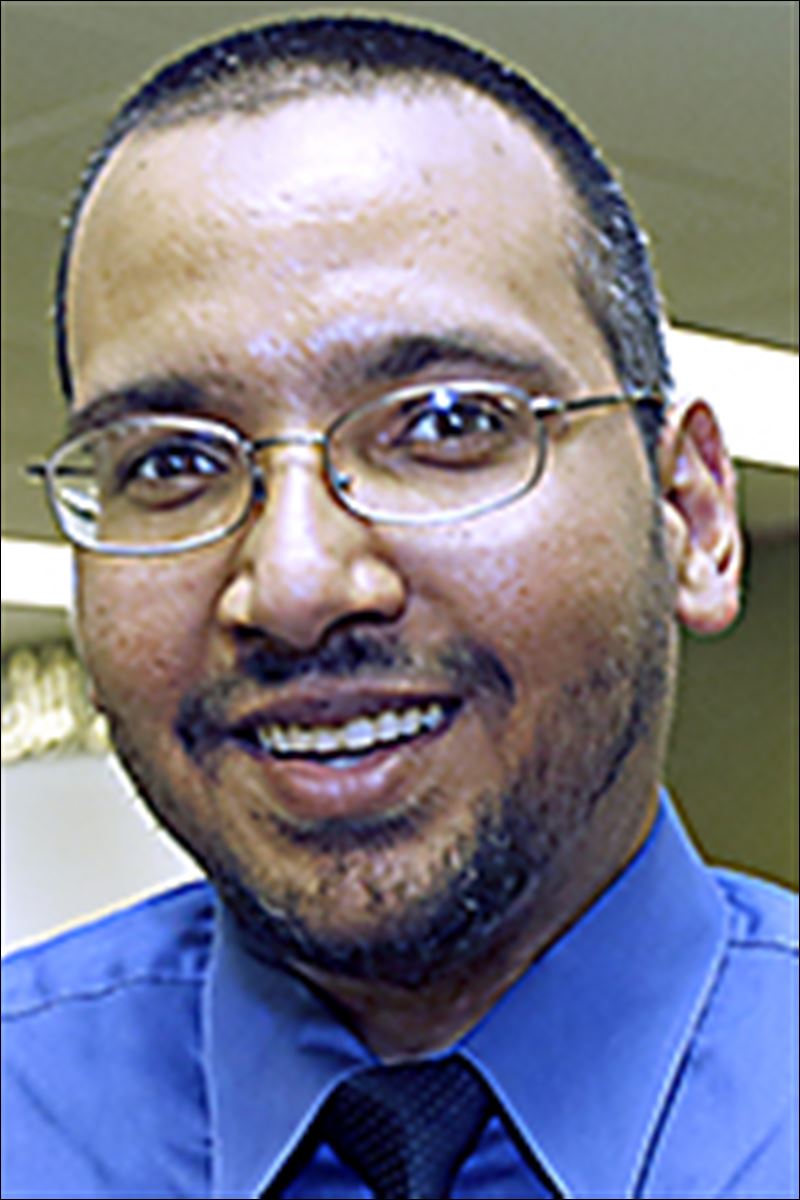
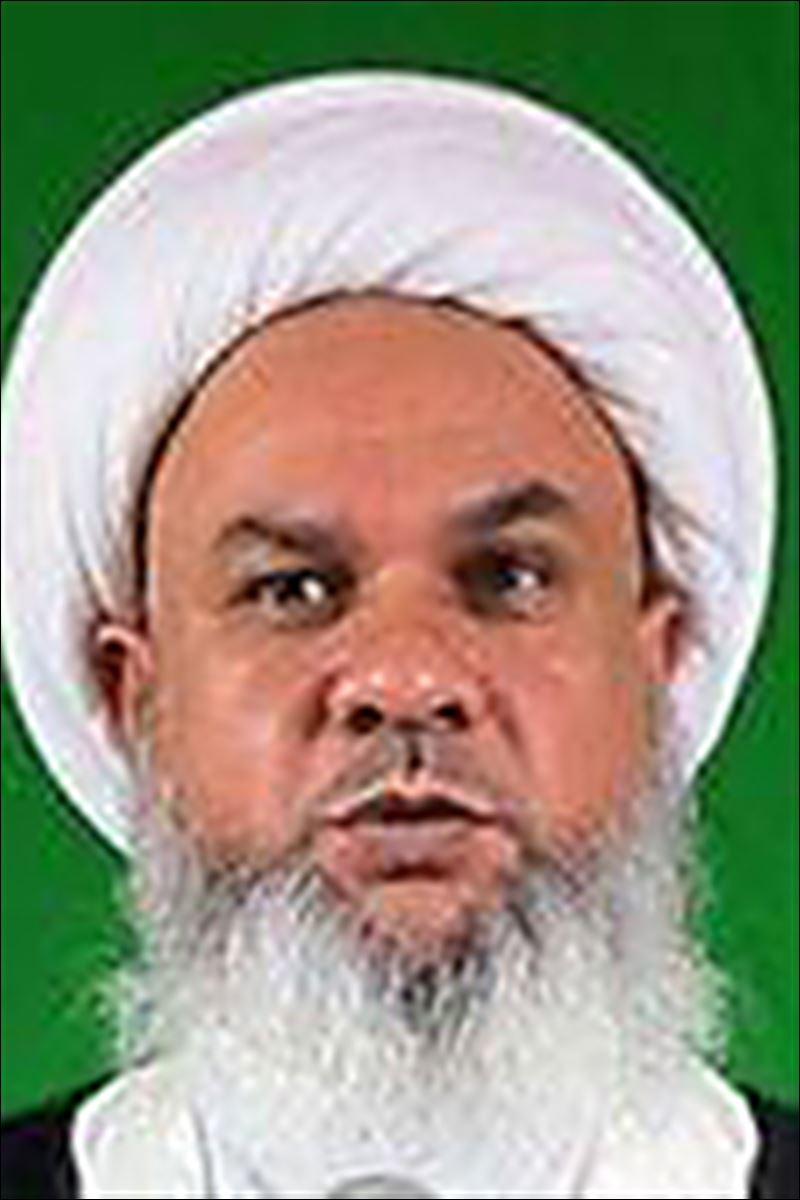
“I worry for all in the war, not just my country,” said Sheik Rahim Al-Saedy, who immigrated to the United States from Iraq and leads the Fatemah Islamic Center in Sylvania, a Shia mosque.
Abo-ElzahabAbo-Elzahab
THE BLADEEnlarge | Buy This Photo
“It’s my job,” Sheik Al-Saedy said. “I have to worry for all the people, not just Muslims. ... If they get hurt or have a problem, we pray for them and we’re upset, because we are human beings.”
AnjumAnjum
THE BLADEEnlarge | Buy This Photo
Iraqi Prime Minister Nouri al-Maliki’s efforts last year to crush protests by Sunnis complaining of discrimination under his Shiite-led government sparked a wave of violence by militants, who took over the city of Fallujah in the western, Sunni-dominated province of Anbar, and parts of the provincial capital, Ramadi.
During the last two weeks, militants have taken over the cities of Mosul and Tikrit as well as checkpoints on the Iraq-Syria border. The Islamic State of Iraq and Syria militant group is trying to create an Islamic caliphate in a vast area of both countries.
The religious ways of Sunni and Shia are different in some practices, but most are not major; one difference, however, is that many Shia are called “Twelvers,” the largest Shia group, including members of Fatemah.
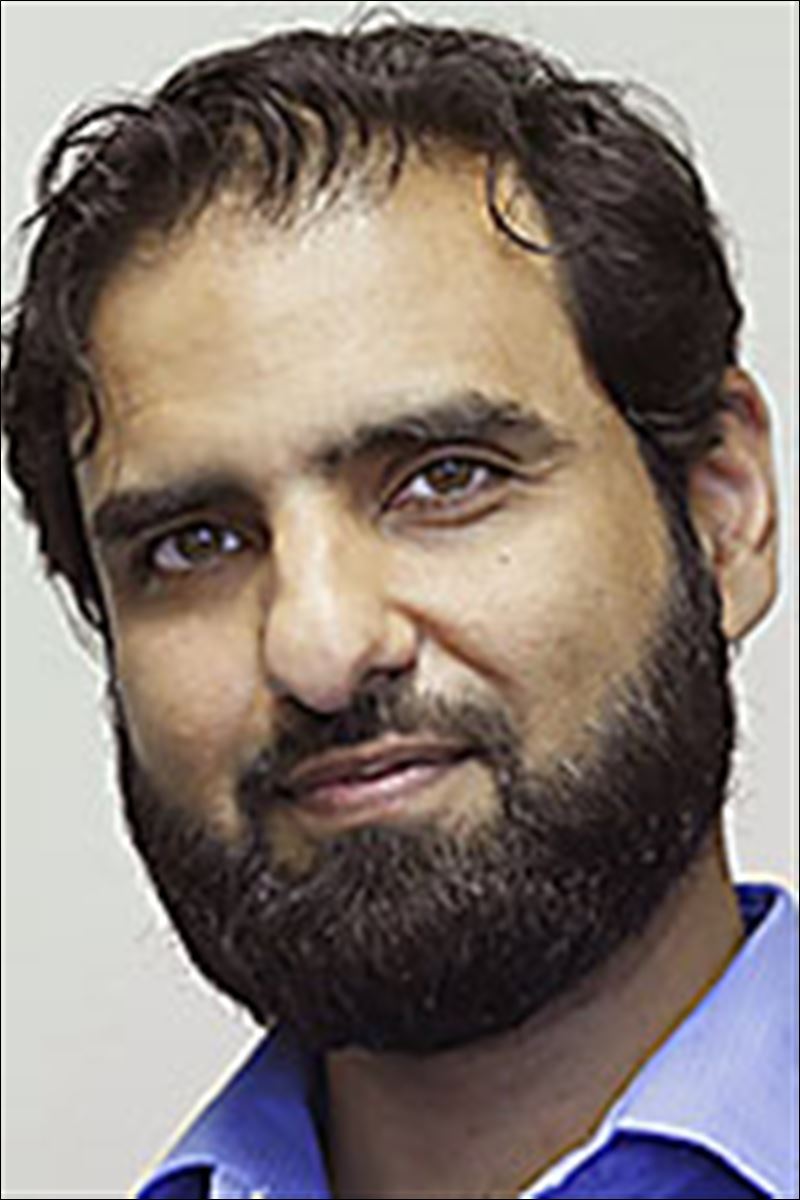
“There were 12 imams after the prophet, and the 12th one died without an heir,” said Ovamir Anjum, who holds the Imam Khattab endowed chair of Islamic Studies at the University of Toledo. The 12th is known as Mohammed al-Mahdi. “He disappeared without an heir, according to the Shiites, and he died according to the Sunni; he couldn’t have died [say the Shia] because he must have produced an heir, because the world could not continue without an infallible imam to guide — that would be unjust on behalf of God to leave the world unguided, so therefore he must have disappeared, and he is called an occultation, and he will come back toward the end of times to set all things that have gone wrong right, and to bring justice to the world, and so on.”
Some add that the Mahdi and Jesus will return. “They’re working together,” said Sheik Al-Saedy.
An early split
Sunni and Shia differences stem from a split early in Islam’s history, over who would succeed Mohammed as leader of the new faith and be caliph or supreme ruler. It started with Ali, Mohammed’s son-in-law and a close cousin. He was the fourth person to be caliph, but Shiites think he should have been the first because he had family lineage.
The determination that blood succession (Shia thought) might be better than following Mohammed’s companions (Sunni thought) came from the religion’s rapid growth, Mr. Anjum said. Security was not unheard of for the early caliphs, and “that cost two of them their lives.”
Islam took over the Persian Empire and the Eastern Roman Empire in 30 to 50 years, Mr. Anjum said, “so all of a sudden these people have to rule over such a large territory, and what is happening as a result is a different kind of government emerges.”
No more equality, consultation, and piety; it became “almost an imperial model that people are used to in the Near East.”
For the Muslims, “what happens is that two responses develop. There is a small radical minority, always, that says all is lost [the Shia in this case], wherein there is a majority that says, ‘‍But still, we have a lot’ [the Sunnis].”
Disagreements
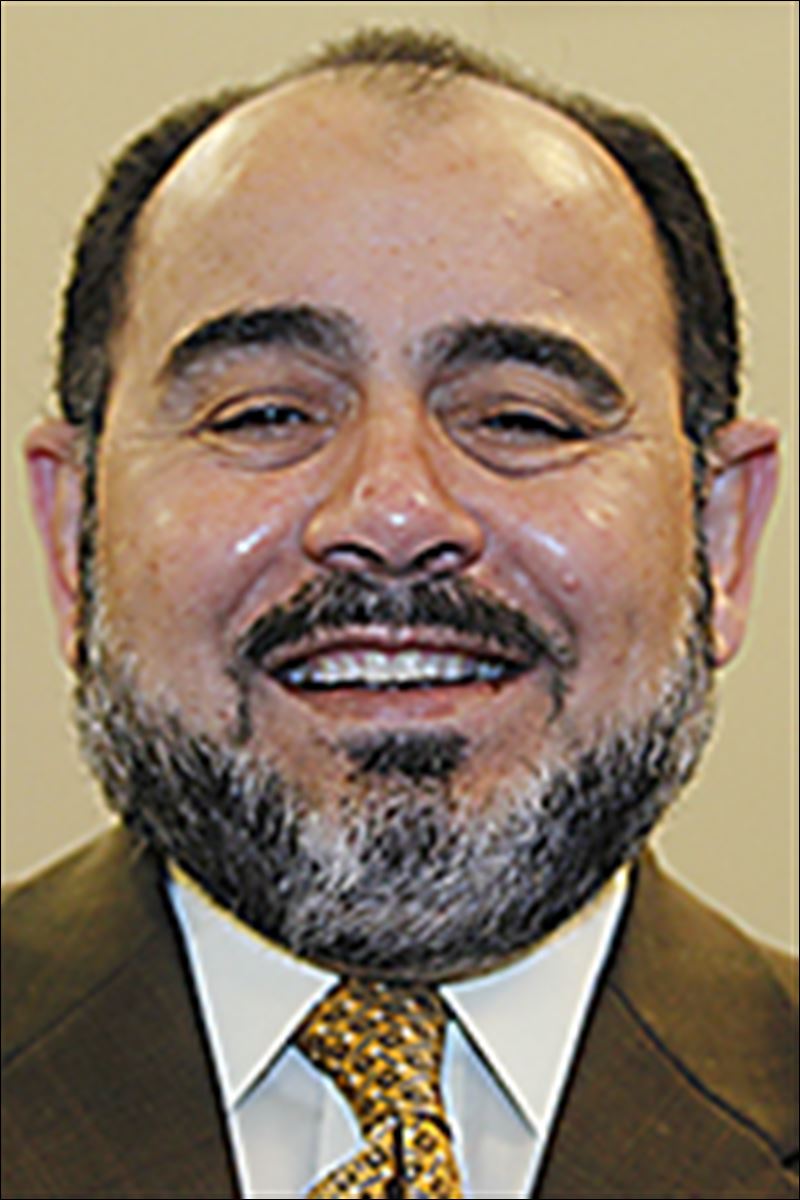
In their religious practices, Sunnis and Shiites “do have disagreements about certain things,” said Imam Shamsuddin Waheed of Toledo Masjid of Al-Islam, a Sunni mosque, “but we have more in common than the Catholics and the Protestants have in common. We have the same book [the Qur’an]. The Protestants and the Catholics, they have different versions of the same book [the Bible]. The Catholic version has a few more books than the Protestant version. We have the same prophet [Mohammed]. We have the same rituals: the same five daily prayers, same Ramadan, same Hajj.”
Some Muslims today minimize the differences and prioritize their faith. Imam Farooq Abo Elzahab, whose service as clergy leader of the Islamic Center of Greater Toledo will end June 30, said, “There is nothing even called Sunni in Islam. This word came as the opposite of Shia. … We [all] take religion from the Qur’an and the Sunnah and the Hadith of the lifestyle of the prophet Mohammed.”
Historically and geographically, Sunni and Shia have intermingled. “In America, it’s an interesting example, some of the young people identify themselves as Sushis, not Sunni or Shia,” Mr. Anjum said.
Political issues
But political differences are not like religious ones.
“One thing that has recently unfortunately destroyed lots of these webs of networks and relationships in all of these societies is the Syrian conflict,” Mr. Anjum said, “where again it’s more modern politics than religious conflict. It’s a small minority of a particular type of Shia [the Alawites] ... not considered legitimate even by the Twelver Shias, but for politics it doesn’t matter. ... Some would not even consider them Muslim.”
The Islamic State of Iraq and Syria is “an offshoot of al-Qaeda, and the ‘‍Islamic state’ is obviously a misnomer,” Mr. Anjum said. “They’re not a state. ... They’re a vigilante sort of group, a terrorist group.”
“We don’t know what they have,” said Sheik Al-Saedy. “They don’t like Muslim people. They don’t like Christianity. They don’t like Jewish. Right now in Iraq, they destroyed all the churches for Christianity, they destroyed mosques, and they killed anyone outside. They raped a girl. We don’t know where they come from.”
“We‘‍re reading articles in the media, even the Muslim media, [that say] a lot of the people who are going there are actually from places where there are no Shia,” Imam Waheed said.
Members of ISIS are “drawing themes that a large number of Muslims would identify with,” Mr. Anjum said. “One of them is that Muslims should not have boundaries dividing them. There’s no reason for Muslims in Iraq and Syria to be separate. These modern nation states that were created, actually, by the British and the French map makers after the First World War, they’re unnatural and destructive, and all kinds of conflicts have existed between these states, so this is almost a romantic theme among Muslim intellectuals throughout the 20th century that ‘‍we should all get back together.’ But of course the actual narrow interests of the elite in any of these countries don’t go along with that very well.”
Mr. Anjum said there is a magic solution.
“Study things. ... Knowledge and education are extremely important. One of the things that happens in our contemporary society is people have a very uncomfortable relationship with facts. ... The solution, to me, is education and community. ... Healthy communities where you can have healthy relationships within that are intact, and with other communities in faith. Christian and Muslim communities, and Shia and Sunni communities within Islam.”
Contact TK Barger: tkbarger@theblade.com, 419-724-6278 or on Twitter @TK_Barger.

Read more at http://www.toledoblade.com/Religion/2014/06/22/The-Sunni-Shia-divide-Conflictputs-Islamic-sects-back-in-spotlight.html#LzE1Z48t8APe6dHI.99